What to Look for in Your First Healthcare Office Lease

Signing your first office lease is one of the biggest decisions in launching a healthcare practice. The right location and lease terms can help your clinic grow quickly; the wrong one can lead to years of financial strain. Beyond location and square footage, your lease affects how you operate, expand, and even sell your practice later. In today’s competitive market, medical commercial real estate comes with its own set of nuances—zoning rules, build-out clauses, and maintenance responsibilities that every healthcare professional must understand.
Whether you’re opening a dental, optometry, veterinary, or medical office, here’s what to look for before signing that first lease—and how to ensure it supports long-term success.
1. Choose the Right Location for Growth
Your location determines patient accessibility, brand visibility, and referral potential. A prime area near hospitals, schools, or business districts increases patient flow, but higher rents often come with it. Consider:
-
Demographics: Is the population growing, and does it match your target patients?
-
Competition: How many similar providers are nearby, and what differentiates you?
-
Accessibility: Is there adequate parking, public transit access, and ADA compliance?
For first-time owners, it’s smart to project your space needs for at least 5–7 years. A slightly larger location now may prevent costly relocations later. Also, evaluate co-tenancy opportunities—sharing a building with other healthcare providers can attract steady cross-referrals.
2. Understand Lease Types and Terms
Not all leases are created equal. Landlords typically offer one of three main types:
-
Gross Lease: The rent covers all expenses, including utilities and maintenance.
-
Net Lease: You pay rent plus some operating costs like taxes or insurance.
-
Triple Net (NNN) Lease: You pay base rent plus property taxes, insurance, and maintenance.
Each structure has pros and cons depending on your financial comfort and operational control. Always review rent escalation clauses to understand how much rent may rise over time. Even a modest 3% annual increase can significantly impact your budget over a decade.
Pay close attention to renewal options and sublease rights—both can provide flexibility as your practice grows. This is particularly important if you plan to transition or sell later, as lease terms directly affect the valuation of a medical practice for sale.
3. Negotiate Build-Out and Improvement Clauses
Most healthcare spaces need extensive customization—plumbing for operatories, medical gas lines, specialized lighting, or soundproofing. Before signing, confirm who pays for these improvements and what’s included in the tenant improvement (TI) allowance.
A generous TI allowance can cover construction costs or equipment installation, but many landlords limit these to basic finishes. You may need to invest personally or through practice financing to create a compliant and efficient layout.
Here’s what to clarify during lease negotiations:
-
Permitting responsibility: Who obtains and pays for construction permits?
-
Timeline: How long do you have to complete the build-out before rent begins?
-
Restoration clause: Will you need to return the space to its original condition upon leaving?
Healthcare build-outs often take longer than retail ones, so ensure the lease start date accounts for potential delays. A well-negotiated clause can save thousands in rent payments while your practice is still under construction.
4. Confirm Zoning and Compliance Requirements
Healthcare tenants face stricter zoning, safety, and privacy regulations than most businesses. Before committing, confirm that the property is zoned for medical use and complies with HIPAA and OSHA requirements.
For example:
-
Waste disposal: Are there facilities for medical or biological waste?
-
Accessibility: Does the building meet ADA standards?
-
Infrastructure: Can the electrical and plumbing systems support medical equipment?
If you’re considering a medical practice for sale or leasing an existing one, verify whether previous tenants left behind compliant systems or if upgrades are required. Always get written confirmation from the local zoning authority before signing the lease—verbal assurances aren’t enough.
5. Analyze Hidden Costs and Operating Expenses
Rent isn’t the only expense in your lease. Be sure to ask about:
-
CAM (Common Area Maintenance) fees: What services are included and how are costs divided among tenants?
-
Utility responsibilities: Are HVAC and water shared or metered individually?
-
Maintenance obligations: Who covers plumbing, electrical, or structural repairs?
Landlords sometimes pass through property tax increases or insurance hikes to tenants. Request detailed expense histories for transparency. Small overcharges can accumulate over time, eating into your profit margins.
Budgeting for all recurring expenses ensures that your lease supports—rather than strains—your cash flow.
6. Consider Visibility, Branding, and Accessibility
Your office isn’t just a workspace—it’s also a marketing tool. A visible sign, accessible entrance, and ample parking can make or break first impressions. When evaluating potential spaces, consider how easily new patients can find and enter your office.
Ask these questions:
-
Can you display external signage or window branding?
-
Is the building located near complementary services such as pharmacies or labs?
-
Does foot or vehicle traffic align with your target demographic?
A strong physical presence enhances brand credibility and supports your digital marketing efforts. Patients often search online before visiting, so having a central, well-marked location reinforces trust and convenience.
7. Plan for Future Expansion
Many new healthcare owners underestimate how quickly they’ll grow. Choose a space that accommodates at least one additional treatment room or office conversion in the future.
Ask your landlord about expansion rights—can you lease adjacent units later? If not, you may be forced to relocate, disrupting patient continuity and staff stability.
When negotiating, align lease duration with your growth forecast. A five-year term with one or two renewal options gives flexibility without long-term constraint. This foresight also improves resale value if you decide to sell your practice later to another healthcare professional searching for a medical practice to buy.
8. Seek Professional Support
First-time tenants often overlook crucial lease details that can cost thousands down the line. A healthcare transition broker or attorney specializing in medical real estate can help you negotiate fair terms, understand legal language, and avoid pitfalls.
These experts know what’s typical in healthcare leases—such as exclusivity clauses (preventing another similar practice in the same building) and termination rights for business closure or disability. Their insight ensures you don’t commit to one-sided agreements.
Even though professional advice is an upfront cost, it often pays for itself many times over in avoided rent escalations or build-out disputes.
9. Review Before You Sign
Never rush the final review. Take time to cross-check every section with your accountant, attorney, and lender. Look for:
-
Rent escalation patterns
-
Exit clauses
-
Personal guarantees
-
Insurance and indemnity requirements
A lease isn’t just a document—it’s the foundation of your long-term business stability. Treat it like an investment, not just paperwork.
10. Understand Exit Clauses and Renewal Options
Even the best lease shouldn’t lock you in forever. Circumstances change—your practice may outgrow the space, your goals may shift, or the building might no longer meet compliance standards. That’s why you need to review exit clauses carefully.
Ensure the lease allows for:
-
Early termination rights under defined conditions (sale of practice, disability, or landlord breach).
-
Assignment rights so you can transfer the lease to a buyer if you sell your practice.
-
Renewal options with clear notice periods and rent increase terms.
Understanding these terms protects you from costly penalties and ensures flexibility if you ever decide to sell, relocate, or merge your practice. A lease with fair exit and renewal options supports both current operations and future transitions.

Building a Strong Foundation for Success
Your first healthcare office lease shapes how your practice grows, attracts patients, and builds equity. The best leases balance affordability with flexibility, allowing you to adapt as your practice evolves.
By evaluating every clause, negotiating smartly, and planning ahead, you’re not just renting space—you’re setting the stage for years of sustainable success.
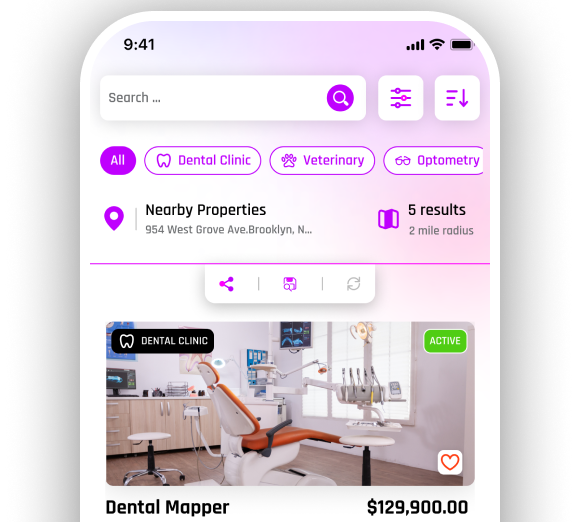
Ready to find the perfect location for your first practice? PracticeFinderApp simplifies your search by connecting you with verified listings, expert brokers, and financial tools—all in one platform. Download the app today and take the first confident step toward your dream healthcare office!
search, find your practice
Download our mobile app from the Store. It’s FREE.