Partnerships vs. Going Solo: Which Path Is Right for You?

Stepping into healthcare ownership is an exciting milestone—but one of the biggest decisions you’ll face early on is whether to partner with another professional or go solo. This choice shapes not only your workload and finances but also your long-term growth and lifestyle. Each path has its advantages and challenges, and understanding them can help you make an informed decision that supports your personal goals and professional ambitions.
The Power of Partnership
Partnerships can be a great way to enter healthcare ownership with shared responsibility and reduced risk. By joining forces with another practitioner, you can combine expertise, divide operational tasks, and enhance service offerings.
1. Shared Financial Burden and Risk
Opening a new clinic or purchasing a medical practice for sale involves a significant financial commitment. A partnership allows you to split expenses such as lease payments, equipment, and staffing. This reduces your upfront costs and exposure to debt while providing more flexibility for reinvestment in technology or patient experience.
2. Expanded Expertise and Service Offerings
When partners bring complementary skills—say, one focusing on surgery while the other specializes in diagnostics—the practice can attract a broader patient base. Diverse skill sets also make marketing easier, as your clinic becomes a one-stop destination for more comprehensive care.
3. Shared Workload and Support System
Running a healthcare business solo can be mentally and physically demanding. Partnerships lighten the load by dividing administrative duties, patient scheduling, and management responsibilities. Plus, having a trusted colleague to discuss business strategies and challenges with can prevent burnout and boost motivation.
4. Greater Growth Potential
With shared resources, partnerships can scale faster. From hiring additional staff to opening satellite offices, two heads—and two capital pools—often grow the business quicker than one. Partnerships also make it easier to qualify for practice financing, since lenders see shared ownership as a lower-risk arrangement.
5. Built-in Accountability
Working with a partner encourages accountability. Regular discussions about revenue goals, marketing strategies, and patient satisfaction keep both parties aligned and focused on performance metrics.
The Independence of Going Solo
For many healthcare professionals, full control and autonomy are worth more than shared support. Going solo allows you to create a practice that reflects your values, your vision, and your preferred pace.
1. Complete Control Over Decision-Making
Solo ownership gives you freedom to make every decision—from hiring to branding—without compromise. You can choose your patient demographic, service focus, and operational style. This autonomy ensures your clinic operates exactly as you envision it.
2. Full Financial Reward
While the financial burden is higher, so is the potential reward. All profits go directly to you, allowing faster personal income growth once the business stabilizes. For those with a clear financial strategy and strong discipline, this can lead to impressive long-term gains.
3. Creative and Strategic Flexibility
When you own the entire operation, you can experiment with service models, marketing campaigns, or community outreach without needing to negotiate every change. For example, you might explore new technologies like optometry equipment for sale to expand your service capabilities or improve efficiency.
4. Direct Patient Relationships
Solo practitioners often enjoy deeper relationships with their patients. Without partner dynamics or complex scheduling, you can provide more personalized care—something many patients highly value.
5. Simplified Decision Paths During Growth or Exit
In a solo setup, any decision about expanding, merging, or selling your private practice for sale rests entirely in your hands. This simplicity can make transitions faster and more seamless, particularly when planning retirement or relocation.

7 Key Considerations Before You Choose
1. Personality and Working Style
Partnerships thrive on trust, communication, and shared vision. If you value collaboration and are open to compromise, partnership may be ideal. However, if you prefer independence or have strong preferences about management and operations, solo practice may suit you better.
2. Financial Readiness
Evaluate your risk tolerance and access to capital. Partnerships often reduce startup costs, but solo ownership gives you full equity and profit control. Consider your long-term goals—are you building wealth independently, or do you value stability and shared investment?
3. Growth Vision
If you envision multiple locations or diverse service lines, partnerships may help accelerate expansion. Conversely, if your goal is a boutique, specialized clinic, solo ownership may provide the creative freedom to develop your niche.
4. Conflict Management
Even well-matched partners can face disagreements over finances, leadership, or practice direction. Establishing a partnership agreement upfront—covering profit sharing, responsibilities, and exit terms—prevents future disputes and ensures smoother collaboration.
5. Future Transitions
Partnerships can ease transitions such as retirement or selling your share to a healthcare transition broker. Solo practitioners, however, have more freedom in choosing when and how to sell their business.
6. Work-Life Balance
Solo ownership may initially demand longer hours, but it provides complete control over your schedule. Partnerships may offer more flexibility for time off, but require coordination with another person’s needs and commitments.
7. Access to Resources and Networks
A partnership often brings expanded access to suppliers, referral networks, and industry connections. This can mean better deals on medical equipment for sale, smoother vendor negotiations, and greater opportunities for collaboration with specialists. Solo owners may need more time to build such relationships but gain full control over every contract and supplier decision.
Making the Right Choice
Ultimately, there’s no one-size-fits-all answer. The best path depends on your professional aspirations, risk tolerance, and lifestyle goals. Some dentists, veterinarians, or optometrists even start solo and later form partnerships as their businesses grow—or vice versa.
The key is to clearly define your vision before you commit. Outline your short- and long-term goals, conduct a detailed financial analysis, and seek guidance from legal and financial advisors. Whichever path you choose, make sure it aligns with your values, ambitions, and the future you want to build.
Your Future, Your Way
Choosing between partnership and solo ownership is one of the most pivotal decisions of your healthcare career. It’s about more than just profit—it’s about how you want to work, lead, and grow. Take time to evaluate both paths, seek expert advice, and move forward confidently. Whether you join forces or build independently, the right approach will empower you to create a thriving, patient-centered practice that truly reflects your vision.
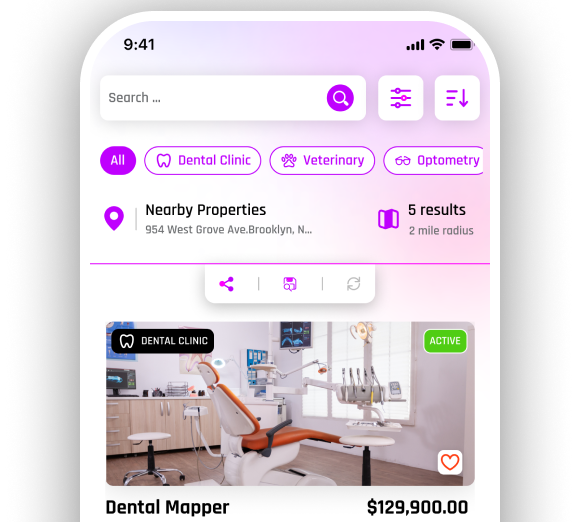
Explore available listings and opportunities with our app—your one-stop destination to find the perfect medical office for sale and begin your journey to success today.
search, find your practice
Download our mobile app from the Store. It’s FREE.